Beware of melting snow and ice, which can dramatically increase roof loads. Park your trucks on stable, level ground to prevent shifting and sliding. Inspect roofs frequently for signs of stress, and train your drivers on safe snow removal practices. Prioritize preventive maintenance, and consider upgrading to snow-resistant roofing materials. Always review local regulations to guarantee compliance. Following these essential tips will safeguard your truck fleet – but there’s more to learn.
Key Takeaways
- Conduct frequent roof inspections to identify early signs of stress, such as dents, cracks, or warped surfaces, and address them promptly.
- Promptly clear accumulated snow from truck roofs to prevent the buildup of heavy, water-laden slush that can exceed safe load limits.
- Park trucks on stable, level surfaces to minimize risks of shifting or sliding, and avoid areas susceptible to snow drifts.
- Prioritize preventive maintenance, including regular inspections and snow removal, to maintain structural integrity and ensure fleet safety during winter.
Regularly Monitor Snow Accumulation
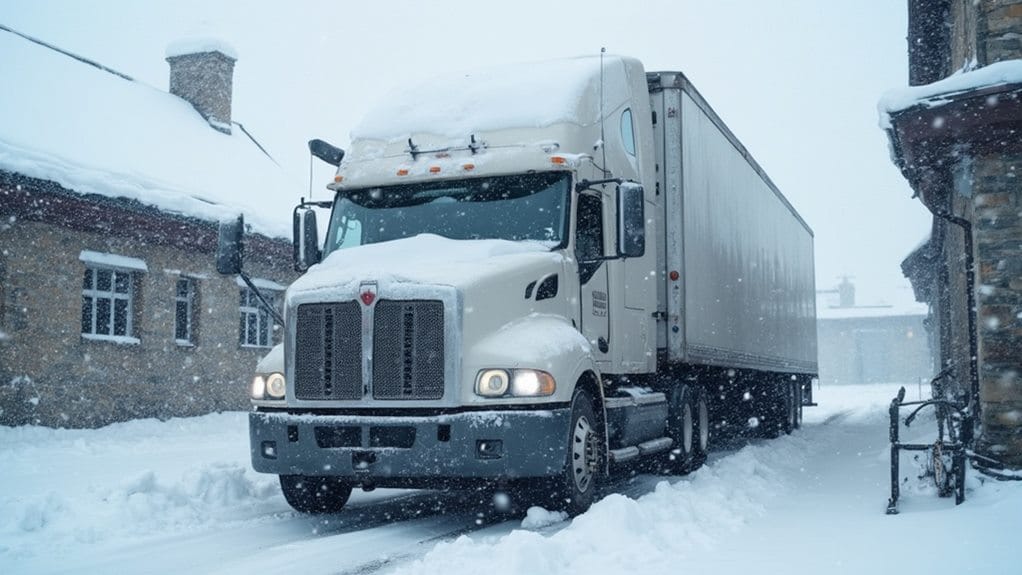
Regularly monitoring snow accumulation on your truck’s roof is crucial to preventing costly damage.
Even a few inches of heavy, wet snow can greatly increase the weight and risk of structural damage to your vehicle.
Keeping a close eye on weather conditions, including rain on top of snow, can help you predict increases in weight and associated risks for your truck’s roof.
Implementing a routine snow inspection schedule can identify dangerous snow loads before they lead to costly repairs or safety hazards.
Promptly Clear Accumulated Snow
As soon as snow begins to accumulate atop your commercial vehicles, it’s imperative to promptly clear it away.
Heavy snow adds excessive weight to a roof and poses a serious risk of roof damage or even collapse, which could lead to costly repairs and safety hazards.
Additionally, if rain falls on top of the snow, the added moisture can further increase the weight, heightening the danger to your vehicle’s structural integrity.
To mitigate these risks, it’s recommended to employ professional snow removal services if the snow accumulation poses a threat to your trucks.
Promptly clearing the snow won’t only protect your vehicles but also keep your fleet operating safely and efficiently on the roads.
Beware of Melting Snow Hazards
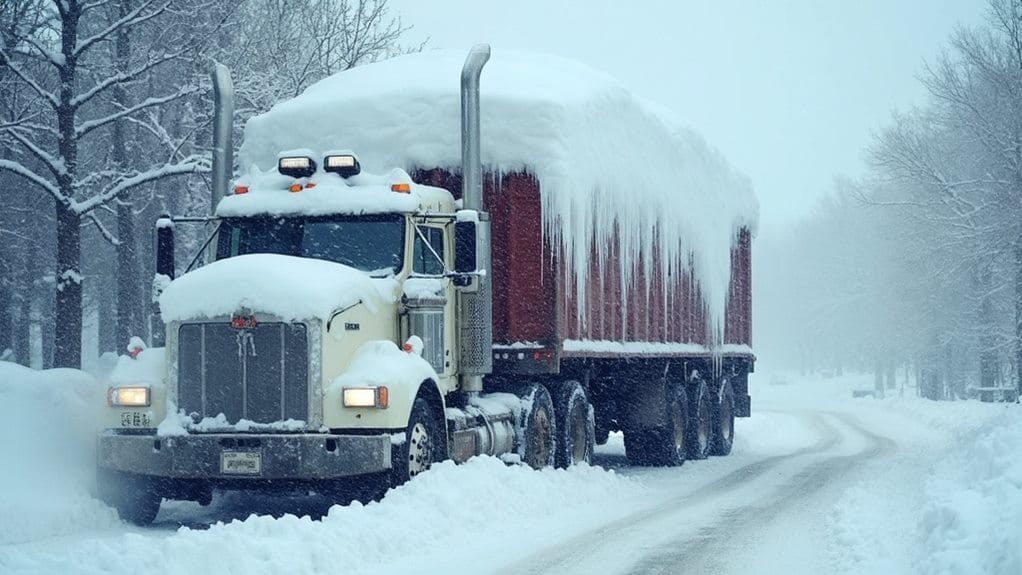
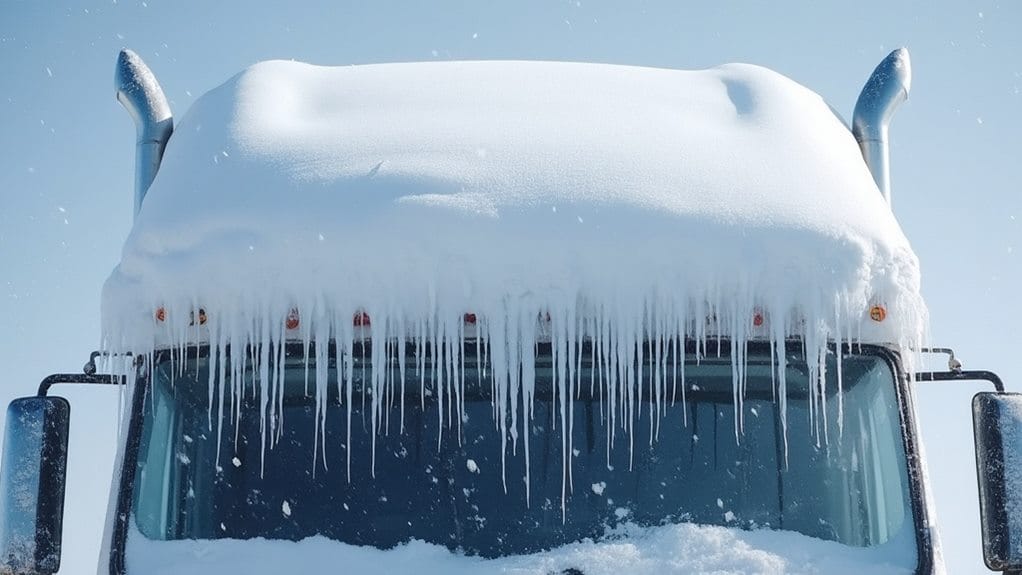
Melting snow on your commercial vehicles can pose a serious threat if not addressed promptly. As temperatures rise, the accumulated snow can change into a heavy, water-laden slush, adding significant weight to your truck. This increased weight can exceed safe load limits, compromising your vehicle’s handling and stability.
Furthermore, the combination of melting snow and rain can create an unstable load, potentially leading to structural issues if not properly monitored.
Drivers should be vigilant, as the melting snow can also refreeze, creating hazardous ice patches on the truck’s roof. These icy conditions can be treacherous, both during transport and when attempting to clear the roof.
Regular inspections during thaw cycles are essential to identify and mitigate potential melting snow hazards before they cause costly repairs or safety concerns.
Park on Stable Ground
Parking your commercial vehicle on a stable, level surface is crucial for minimizing the risks associated with heavy snow accumulation. Choosing a parking location with solid, non-slippery ground can help prevent the truck from shifting or sliding under the weight of the snow and ice.
Avoid soft or unstable ground, as this can lead to the truck settling or sinking, potentially causing structural issues.
Additionally, consider parking in an area shielded from high winds, as this can help reduce the formation of snow drifts on the vehicle’s roof.
Regularly assess the ground conditions before parking to guarantee your truck remains secure and stable throughout the snow event.
Parking on stable, level ground not only protects your vehicle’s roof but also enhances overall safety by reducing the chances of uneven snow buildup that could increase stress on specific areas of the roof.
Inspect Roof Condition Frequently
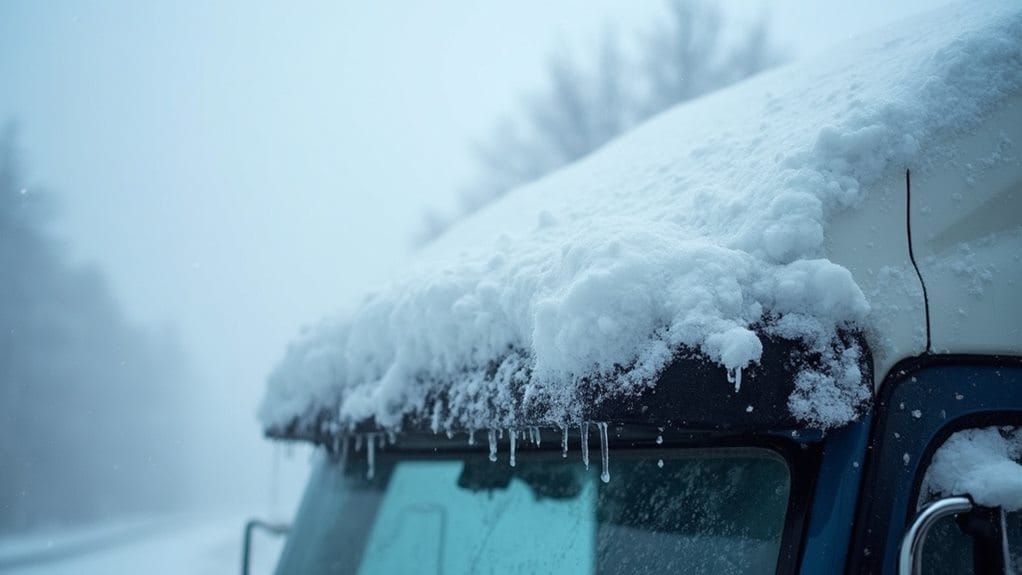
Regularly inspecting the roof of your commercial vehicle is paramount to safeguarding it from snow accumulation. Look for tell-tale signs of stress or damage, such as dents, cracks, or warped surfaces, which may indicate that accumulated snow is putting excessive strain on the structure.
| Roof Inspection Techniques | Weather Impact Analysis | Structural Integrity Assessments |
|---|---|---|
| Visually inspect for cracks, dents, and warping | Check snowfall accumulation after storms | Evaluate load capacity of roof |
| Feel the roof for signs of stress or damage | Monitor ice buildup following rain/snow mix | Identify areas needing repair or reinforcement |
| Use a depth gauge to measure snow/ice thickness | Assess the impact of blowing/drifting snow | Determine if the roof is suitable for continued use |
| Document findings in a maintenance log | Analyze weather forecasts to anticipate needs | Consult with experts for advanced assessments |
| Schedule regular inspections based on weather | Adapt inspection frequency to regional conditions | Make necessary repairs or replacements promptly |
Ensure Even Snow Removal
When clearing snow from your commercial vehicles, it’s important to focus on guaranteeing an even distribution of weight across the entire surface. This helps prevent structural imbalance and potential damage to the roof and other components.
To achieve even snow removal, follow these best practices:
- Begin at the highest points of the vehicle and work your way down, clearing snow progressively towards the lower areas. This maintains a balanced weight distribution as you go.
- Use non-metallic tools like snow rakes or plastic shovels to avoid scratching or denting the vehicle’s surface during the snow removal process.
- Avoid piling snow on one side of the vehicle, as this can create uneven weight distribution and increase the risk of tipping or other issues during transport.
- Monitor local weather forecasts and plan timely snow removal to guarantee accumulation never exceeds the safe weight limits for your vehicle’s design.
Utilize Gentle Snow Removal Methods
To guarantee the longevity and integrity of your commercial vehicles, it’s crucial to adopt gentle snow removal methods. Avoid using metal shovels, as they can easily scratch and damage the vehicle’s surface and paint. Instead, opt for plastic shovels, which are softer and less abrasive.
When clearing snow, start from the roof and work your way down, making sure the snow is removed in the direction of the vehicle’s structural supports to maintain balance and prevent stress on the body.
Stick to manual, gentle techniques to preserve the vehicle’s condition.
Finally, always double-check for any remaining snow or ice on the roof before setting off, as accumulated weight can affect handling and increase the risk of roof damage from shifting loads.
Utilize Specialized Snow Removal Tools
Utilizing specialized snow removal tools can be an effective way to clear accumulated snow from truck roofs without causing damage to the vehicle’s surface. For instance, a snow rake with a long handle allows you to safely access high truck roofs while minimizing the risk of personal injury from falls.
Moreover, a snow shovel designed specifically for vehicles can help remove heavy snow loads efficiently, preventing excessive weight that may compromise the structural integrity of the truck.
In addition, employing heated snow removal tools can melt and remove ice and snow more effectively, reducing the risk of ice dams that can lead to roof damage. Regular inspections and the use of these specialized tools can help keep your truck’s roof in top condition, preventing costly repairs and enhancing the longevity of your vehicles.
Train Drivers on Safe Practices
Drivers play a crucial role in ensuring the safety and integrity of your commercial fleet during heavy snowfall. Implement thorough driver education programs that emphasize the weight of accumulated snow and its potential impact on vehicle structures.
Train drivers to recognize the risks of rain on top of snow, which can greatly increase the weight and collapse hazard.
Provide clear guidance on safe snow removal techniques that protect the vehicle’s integrity while efficiently clearing snow and ice. Cultivate a proactive safety culture by encouraging drivers to report any concerns about snow loads or potential structural issues promptly.
Empower your drivers with the knowledge and tools to manage snow accumulation effectively. This won’t only safeguard your fleet but also enhance overall road safety.
Prioritize Safety During Snow Removal
When clearing snow from truck roofs, prioritizing safety must be the foremost consideration. Follow OSHA protocols to guarantee a safe working environment. Always use fall arrest safety devices and clear the ground area of potential hazards from falling snow.
Employ plastic shovels rather than metal to avoid damaging the truck’s roof surface. Begin snow removal from drifted areas first and work toward the center to maintain balance and stability. Avoid stockpiling snow on the roof, as the excess weight could lead to structural damage or collapse.
Proper safety measures are vital, especially when dealing with heavy snow accumulation. Adhere to these best practices to protect yourself and your fleet from the risks associated with roof snow removal.
Prioritize Preventive Maintenance
Prioritizing preventive maintenance is essential for safeguarding your commercial fleet against the dangers of snow accumulation. Regular inspections of your vehicle roofs should be a top priority during the winter months.
Develop a maintenance schedule that includes regularly checking for snow and ice buildup, as even a few inches can add significant weight and stress to the roof structure.
Be proactive in calculating the snow load on your vehicles.
Implement preventive measures, such as using tarps or covers, to minimize snow accumulation when your vehicles are parked for extended periods. By closely monitoring weather forecasts and acting quickly to remove snow, you can avoid exceeding safe load thresholds and prevent costly roof damage.
Upgrade to Snow-Resistant Roofing
Upgrading to snow-resistant roofing materials can enhance your commercial fleet’s defense against the hazards of heavy snowfall. Metal roofs or impact-resistant shingles, for example, are designed to shed snow more effectively, reducing the risk of dangerous accumulation that can lead to structural failure.
Additionally, certain roofing systems incorporate insulation and ventilation features that help prevent the formation of ice dams, which can cause water damage inside your trucks.
Investing in quality snow-resistant roofing can lower your long-term maintenance costs and minimize the risk of costly repairs from snow-related damages. By utilizing roofing materials that meet or exceed local building codes for snow load, you can improve safety and extend the lifespan of your truck’s roof.
Consider these upgrades as a proactive measure to safeguard your fleet and avoid the consequences of heavy snow accumulation.
Maintain Proper Garage Storage Conditions
Your vehicle’s garage storage conditions play an essential role in preserving its paint throughout the winter.
Keeping your car in a well-ventilated garage can greatly reduce its exposure to snow, ice, and harmful road salt, which can lead to corrosion and paint damage. Maintaining a stable temperature in the garage prevents the paint from becoming brittle and susceptible to chipping due to extreme cold.
Additionally, garages shield vehicles from UV rays, which can cause paint fading over time, preserving your car’s aesthetic appeal and value.
Regularly cleaning the garage environment minimizes the risk of dust and debris accumulating on the vehicle’s surface, reducing the likelihood of scratches when removing them.
Utilizing a dehumidifier in the garage can also help control moisture levels, decreasing the chances of rust and paint deterioration caused by damp conditions.
Review Local Regulations Diligently
Familiarizing yourself with local regulations regarding snow accumulation on vehicles is vital, as some jurisdictions may have specific weight limits or snow removal requirements for trucks. Failing to adhere to these guidelines could result in hefty compliance penalties, and compromise the safety of your fleet.
It’s important to stay informed about seasonal guidelines issued by local authorities, which may dictate snow removal practices and vehicle operation during heavy snowfall. Consulting legal professionals or government resources can help you clearly understand your legal obligations and mitigate the risks of non-compliance.
Regular safety inspections and documentation of snow removal efforts can demonstrate your commitment to road safety and protect your fleet from potential liabilities.
Conclusion
To avoid roof damage from snow accumulation on trucks, it’s crucial to be proactive in safeguarding your fleet this winter. Implementing effective snow removal strategies will protect your assets, ensure driver safety, and help you comply with local regulations. By maintaining vigilance and utilizing innovative solutions, you can prevent costly repairs and maintain peak fleet performance.
Explore Fleet Blast Snow Removal Systems for efficient and safe snow removal solutions tailored for commercial vehicles and tractor trailers. Don’t let snow become a liability—take action now!