

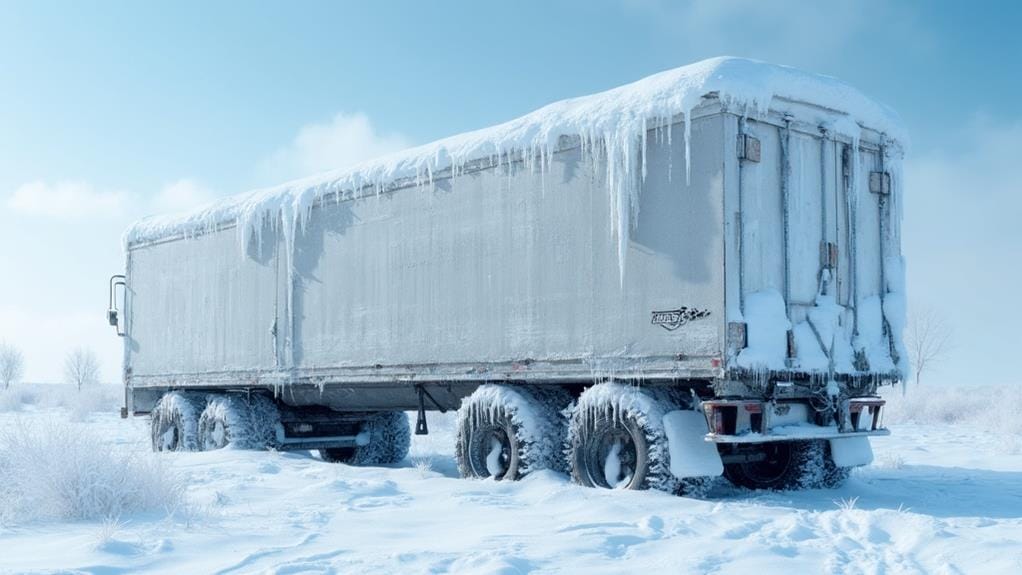
Mastering roof snow removal for your tractor trailer is crucial for safety and compliance during winter. Start with proper tools like extendable snow rakes to prevent falls. Clear snow in sections, working from the edges inward, and inspect regularly for ice buildup. Use heated trailers or de-icers before snowstorms to reduce adherence. Always dress in layers and wear insulated, non-slip footwear. Familiarize yourself with local snow removal regulations to avoid fines. Stick around, and you’ll uncover more essential tips to enhance your winter readiness.
Key Takeaways
- Regularly remove snow from tractor trailer roofs to prevent visibility obstruction and maintain vehicle aerodynamics.
- Use extendable roof rakes and specialized equipment to safely clear snow without damaging the trailer.
- Dress appropriately in layers, ensuring moisture-wicking base layers and insulated footwear for safety during snow removal tasks.
- Familiarize yourself with local snow removal regulations to ensure compliance and avoid penalties.
- Conduct frequent inspections for ice dams and use preventative measures like liquid de-icer to minimize snow adhesion.
Importance of Snow Removal
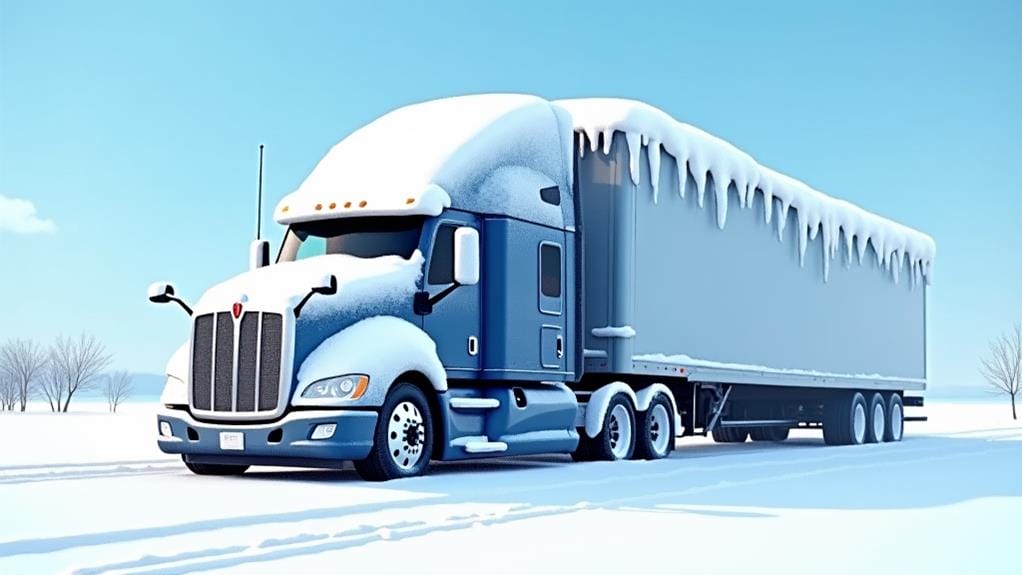
Snow removal isn’t just a matter of convenience; it’s a critical safety measure for commercial vehicle operators. When you operate a fleet of tractor trailers, accumulated snow and ice can obstruct visibility and impair vehicle aerodynamics, leading to increased fuel consumption and heightened safety risks.
The importance of snow removal is highlighted by the fact that many states have strict laws that require you to remove snow from vehicles, and failing to comply can result in significant fines. It’s not just about avoiding penalties; it’s about protecting lives.
Additionally, dislodged snow can become a hazard, causing accidents and disrupting traffic flow.
Regularly removing snow helps maintain the structural integrity of your trailers, as prolonged exposure to snow and ice can lead to corrosion and long-term damage to critical components.
To guarantee your fleet operates efficiently and safely during winter months, you must prioritize snow removal. By effectively removing snow, you also prevent ice formation, further enhancing safety for both drivers and other road users.
Your commitment to proactive snow management is essential for maintaining a reliable and compliant fleet.
Supply Chain Continuity
Consistently maintaining supply chain continuity during winter months hinges on effective tractor trailer snow removal practices. The use of advanced systems, such as Fleet Blast Snow Removal System, can greatly enhance your snow management strategy.
You’ll find that neglecting this essential task can lead to considerable disruptions in your logistics operations.
To guarantee your supply chain remains uninterrupted, you must prioritize snow clearing from your tractor trailers. Failure to do so can cause missed delivery appointments and customer dissatisfaction, severely impacting your business’s reputation and bottom line.
Risks of Ignoring Snow Accumulation
Ignoring snow accumulation on tractor trailer roofs poses significant risks that can impact both safety and operational efficiency.
In addition, accumulated snow can slide off and obstruct the views of following drivers, contributing to potential accidents, as highlighted in the Domino Effect of Snow on Vehicles. Additionally, heavy snow and ice can cause structural damage to trailers, compromising their integrity and resulting in costly repairs and extended downtime.
Moreover, accumulated snow can become hazardous “ice missiles” that detach during transit, endangering other motorists.
Investing in efficient snow removal systems can mitigate these serious risks while ensuring that your fleet remains compliant with regulations. Prioritizing snow removal is essential for maintaining safety, reducing operational costs, and protecting your workforce.
Recommended Tools and Equipment
To effectively manage snow removal and guarantee your fleet’s safety, having the right tools and equipment is vital.
Start with extendable snow rakes, which allow you to safely reach high rooftops without ladders, greatly reducing fall risks.
It’s also essential to regularly maintain and inspect all snow removal tools to confirm they’re in good working condition. This practice ensures that your removal equipment is ready for action when winter storms hit.
Safe Techniques for Snow Removal
When tackling snow removal from vehicle roofs, safety should always be your top priority.
Here are three essential techniques to guarantee safe and effective snow removal:
- Use Appropriate Tools: Always use a roof rake or an extendable pole with a brush for removing snow. Climbing onto the roof can lead to serious safety risks, including falls.
- Clear Snow in Sections: Start from the edges and work your way to the center. This method prevents large chunks from sliding off unexpectedly, which could damage nearby vehicles or create hazards.
- Wear Safety Gear: Make sure you’re equipped with gloves and non-slip footwear to reduce the risk of slips and falls while you’re clearing snow and ice.
Regularly inspect for ice dams, as they can lead to significant water damage and additional hazards during snow removal.
Regular Maintenance Tips
Maintaining your vehicle’s roof during winter is crucial for preventing snow buildup and potential ice dams, which can lead to costly repairs and serious safety hazards. Regular maintenance should start with inspecting your roof frequently for any signs of snow accumulation or ice dams. Neglecting this step can compromise your vehicle’s structural integrity.
Use a roof rake to remove snow from the edges of the roof safely, making certain you do so from the ground to avoid falls. Schedule roof inspections at least twice during the winter season to catch any damage early. This proactive approach can prevent minor issues from escalating into costly repairs.
Additionally, keep gutters clear of debris to facilitate proper drainage, reducing the risk of water pooling and subsequent ice dams.
Finally, verify that all roof access equipment, including ladders and safety restraints, are well-maintained and in good condition. This not only promotes safe snow removal practices but also reinforces your commitment to regular maintenance.
Equipment Longevity and Maintenance
Proper snow removal practices play an important role in extending the lifespan of your tractor trailers and associated equipment. Regular and efficient snow removal helps prevent excessive weight accumulation, which can lead to structural damage and reduced equipment longevity.
Consider the following benefits of prioritizing snow removal for equipment longevity and maintenance:
- Reduced corrosion and deterioration caused by trapped moisture
- Minimized wear on vehicles compared to manual removal methods
- Lower maintenance costs due to fewer extensive repairs and replacements
- Extended service life of tractor trailers and associated equipment
To maximize these benefits, it’s vital to invest in proper snow removal equipment, such as compressed air systems or automated blowers. These tools are designed to efficiently clear snow without causing damage to your vehicles.
Additionally, regular inspections and maintenance of your snow removal systems are necessary to guarantee they remain in peak condition. This proactive approach helps prevent unexpected breakdowns and costly repairs during winter operations, ultimately contributing to the overall longevity and reliability of your fleet.
Enhanced Vehicle Stability
Snow accumulation on truck roofs can greatly impact vehicle stability, and it’s imperative to address this issue proactively.
Moreover, maintaining clear roofs enhances aerodynamics and prevents slippage of snow during transit, which can lead to unexpected shifts in handling capabilities. This proactive approach not only improves traction but also promotes even weight distribution across the vehicle.
Regular snow removal practices are essential, as they help prevent structural damage to the roof, ultimately preserving your truck’s integrity and enhancing vehicle stability over time.
With improved safety and handling achievable through effective snow removal, you’re not just complying with state laws; you’re actively safeguarding your fleet’s performance on the road.
Prioritizing roof snow removal is vital for maintaining the safety and efficiency of your vehicles in harsh winter conditions.
Local Regulations and Compliance
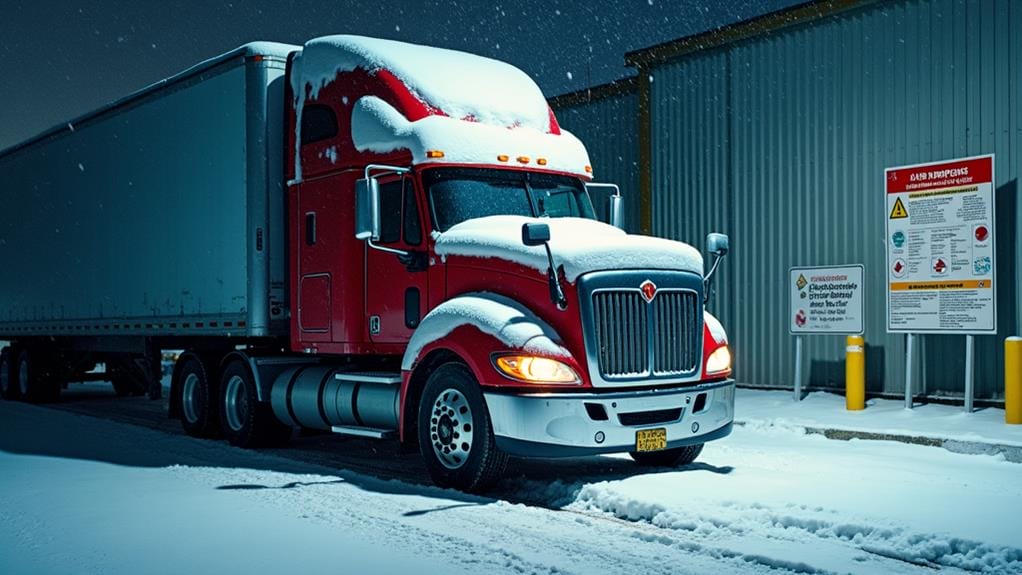
Maneuvering local regulations for snow and ice removal is critical for any fleet operator. It’s not just about keeping your vehicles safe; it’s about complying with the law and protecting other drivers on the road.
Here are three key points to contemplate:
- Know the Laws: Many states require the removal of snow and ice from commercial vehicle roofs. Familiarize yourself with local regulations to avoid violations.
- Make certain your team is prepared to act promptly to avoid fines.
- Training and Inspections: Verify that your drivers are trained on local snow removal laws. Regular inspections should include checks for ice buildup on trailers to maintain compliance and enhance safety.
Failure to comply can lead to significant penalties, and in the event of an accident caused by falling snow or ice, you could be held liable.
Stay vigilant about these requirements to keep your fleet operational and your drivers safe during winter months.
Preventing Ice Buildup
Consistently addressing ice buildup on commercial vehicle roofs is vital for maintaining safety and compliance during winter months.
To effectively prevent ice buildup, start by pre-treating roofs with a liquid de-icer before a snowstorm. This step minimizes the adhesion of snow and ice, making removal easier later. After each snowfall, make it a priority to clear snow promptly, as this practice prevents the formation of ice dams that can cause structural damage.
Consider installing heat cables along the roof edges and gutters. These cables provide continuous warmth, helping to melt snow and deter ice accumulation.
Additionally, confirm that gutters and downspouts are free of debris. Proper drainage is important; if water pools and freezes, it can lead to increased ice buildup.
Dressing for Winter Conditions
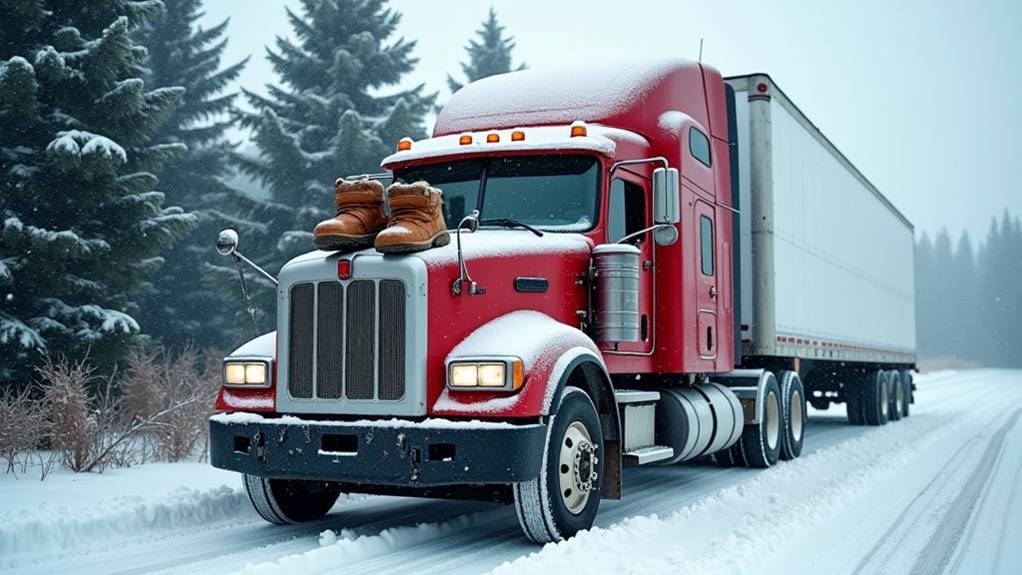
Winter conditions demand a strategic approach to dressing, especially when tackling tasks like roof snow removal. To guarantee you stay warm and safe while working, follow these essential tips:
1. Dress in Layers: Start with moisture-wicking base layers to keep sweat away from your skin. Add insulating mid-layers for warmth, and finish with a waterproof outer layer to shield against snow and wind.
2. Choose Proper Gloves and Boots: Wear insulated, waterproof gloves to maintain dexterity while handling tools. Cold fingers can hinder grip and increase accident risk. Opt for insulated, slip-resistant boots with good traction to prevent slipping on icy surfaces.
3. Protect Your Head and Eyes: Use a warm hat or helmet with ear protection to retain body heat, as significant warmth escapes through the head. Consider safety goggles to shield your eyes from snow glare and falling debris.
Clearing Surrounding Areas
After verifying you’re properly dressed for the cold, it’s crucial to focus on clearing the surrounding areas of your operation. Regularly clear snow and ice from around tractor trailers to prevent dangerous buildups that can slide off and cause accidents when the vehicle’s in motion.
Use a snow plow to efficiently remove snow from critical areas, including loading docks and access routes, guaranteeing safe entry and exit for trucks.
Make it a priority to maintain clear pathways for people walking, as slipping hazards can lead to significant injuries. Apply sand or salt on cleared surfaces to improve traction and reduce the risk of slipping for both drivers and dock workers.
Implement a systematic approach to snow removal, focusing on high-traffic areas first to enhance safety and operational efficiency.
After each snowstorm, conduct inspections of the surrounding areas to identify any concealed hazards, such as potholes or uneven surfaces. This proactive measure guarantees that your operation remains safe and efficient, minimizing the risks associated with winter conditions.
Keeping these areas clear is crucial for smooth operations and the well-being of everyone involved.
Driver Comfort and Productivity
Prioritizing driver comfort and productivity, effective snow removal strategies for tractor trailers play an essential role in maintaining a safe and efficient working environment. By ensuring timely snow removal, you’ll enhance driver comfort and reduce the stress associated with traversing snow-laden roads.
Clearing snow from trailers improves visibility and handling, mitigating driver fatigue and potential accidents that could compromise overall productivity.
Implementing efficient snow removal practices can notably decrease downtime for your drivers, allowing them to adhere to delivery schedules and maintain customer satisfaction. This adherence is important for your business operations.
In addition, a comfortable driving experience is directly linked to higher job satisfaction, which can lead to improved driver retention rates, a significant factor in addressing the ongoing driver shortage in the trucking industry.
Regular snow removal also prevents excessive weight on trailers, reducing wear and tear on vehicles and lowering maintenance costs.
By prioritizing these practices, you’ll contribute to long-term operational efficiency while ensuring compliance with safety regulations.
Improved Driver Confidence
How can removing snow from truck roofs boost driver confidence? By utilizing automated snow removal systems, you can greatly improve visibility and safety while on the road. When snow accumulates on rooftops, it poses a risk of falling onto the windshield, obstructing your view.
Additionally, these systems minimize the need for manual snow removal, which often leads to slips and injuries. With automated options, you can efficiently clear snow without leaving your vehicle, enhancing safety for you and your crew.
Compliance with state laws regarding snow removal not only prevents hefty fines but also alleviates the stress of legal repercussions, allowing you to concentrate on your driving duties.
A clear roof also contributes to better vehicle handling by reducing excess weight and aerodynamic drag from snow accumulation. This improvement leads to enhanced fuel efficiency, further supporting your operational goals.
Professional Snow Removal Services
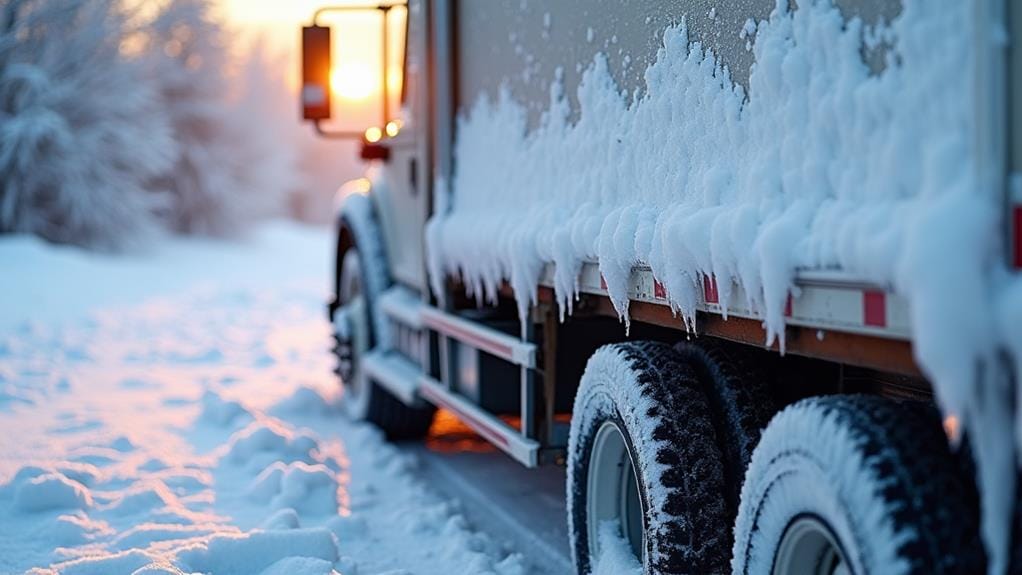
While maintaining the safety and efficiency of your fleet during heavy snowfall, professional snow removal services are essential for effectively managing snow buildup on vehicle roofs. These specialized services employ advanced equipment to guarantee swift and thorough snow removal, reducing risks associated with snow accumulation.
Here are three key benefits of using professional snow removal services:
- Timely Removal: They offer on-demand options during severe weather, preventing snow from compacting and causing damage.
- Compliance Assurance: By adhering to state laws regarding snow removal, you minimize the risk of hefty fines and liability issues.
- Cost Efficiency: Applying these services saves time and labor costs, allowing your team to focus on core operations.
Investing in professional snow removal services is a good idea for trucking companies aiming to enhance safety and efficiency.
With options for scheduled maintenance and immediate response during snow events, you can maintain vehicle performance and longevity.
Prioritizing roof snow removal isn’t just about compliance; it’s about safeguarding your fleet and optimizing your operations during winter months.
Conclusion
In winter, your tractor trailers are like ships steering through icy waters; if they’re weighed down by snow, they won’t sail smoothly. By following these essential tips for roof snow removal, you’ll not only enhance safety and compliance but also keep your fleet operating efficiently. Remember, a well-prepared vehicle is a captain’s best ally against the storms. So gear up, equip your team, and tackle each snowy day with confidence, ensuring your fleet stays on course all winter long.
